
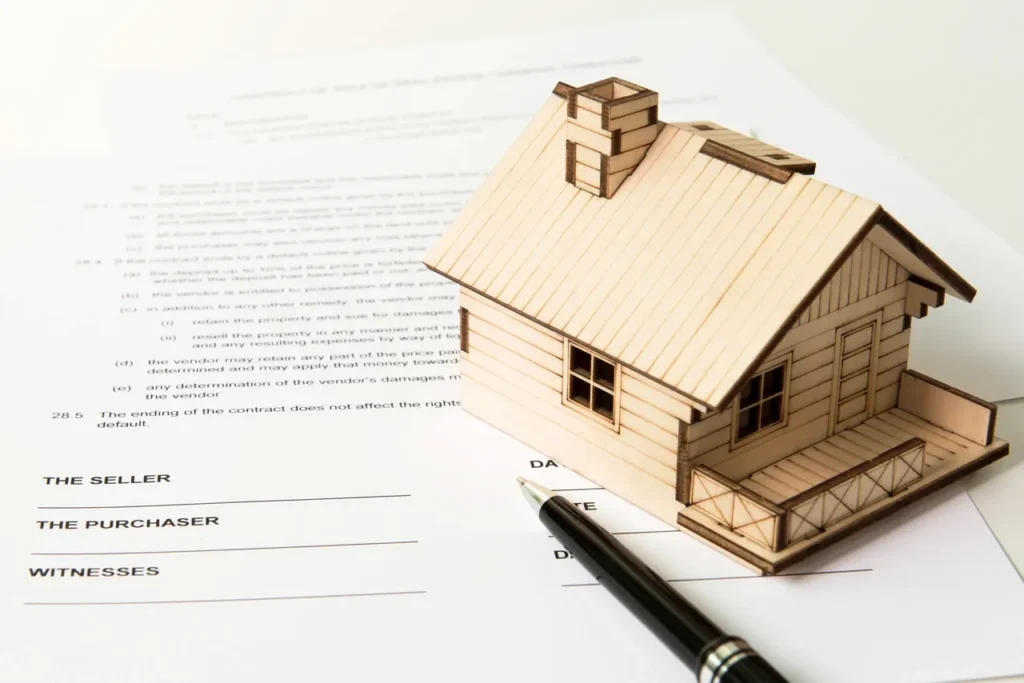
Selling a rental property in Florida usually takes more preparation than selling a regular owner-occupied home. A buyer is not only looking at the house itself. They may also want to understand the lease, the tenant, the rental income, the deposit records, the condition of the property, and any financial or legal issues connected to the sale.
Having the right documents ready can make the process smoother. It can also help avoid delays during inspection, title review, buyer due diligence, and closing. This is especially important if the property is tenant-occupied, part of an HOA, has open permits, needs repairs, or is being sold as-is.
If your rental property is in Miami, document preparation is only one part of the selling process. For a complete local guide, read How to Sell a Rental Property in Miami, FL.
Below is a complete guide to the documents you may need when selling a rental property in Florida.
Quick Answer
To sell a rental property in Florida, you may need the deed, title documents, current lease agreement, rent roll, tenant payment history, security deposit records, property tax bill, mortgage payoff statement, repair records, permit records, HOA or condo documents, insurance records, seller disclosure documents, and closing paperwork.
If the property is occupied by a tenant, the lease and deposit records are especially important because the buyer needs to know what rights and obligations continue after closing.
Main Document Checklist
| Document Type | Examples | Why It Matters |
|---|---|---|
| Ownership documents | Deed, title report, previous closing statement | Proves ownership and helps clear title |
| Tenant documents | Lease, addendums, tenant notices | Shows buyer the rental situation |
| Financial records | Rent roll, payment history, tax bill, mortgage payoff | Helps calculate income and closing numbers |
| Property records | Repairs, permits, inspections, warranties | Shows condition and maintenance history |
| Closing documents | Purchase agreement, settlement statement, affidavits | Needed to complete the sale |
1. Deed and Ownership Documents
The deed is one of the most important documents in the sale. It shows who legally owns the property and how ownership is currently held. If you bought the property years ago, the deed may be part of your old closing package. If you cannot find it, you may be able to get a copy from the county clerk or public records office.
You may also need your previous closing statement, title insurance policy, or settlement documents from when you originally purchased the property. These documents can help the title company confirm ownership details, review past transfers, and identify any issues that may need to be cleared before closing.
If the property is owned by more than one person, held in a trust, owned by an LLC, or inherited through probate, additional documents may be needed. These could include trust documents, operating agreements, probate orders, death certificates, or authorization papers showing who has the right to sell.
2. Title Report and Lien Information
Before a rental property can be sold, the title usually needs to be reviewed. A title search can show whether there are mortgages, liens, unpaid taxes, judgments, code enforcement fines, HOA balances, or other claims attached to the property.
Common title issues may include unpaid property taxes, old mortgages that were never properly released, contractor liens, child support liens, tax liens, or mistakes in public records. These issues do not always stop a sale, but they usually need to be addressed before or at closing.
If you already know about a lien, judgment, or unpaid balance, it is better to gather the paperwork early. Waiting until the closing date can create stress and delay the sale.
3. Current Lease Agreement
If the rental property is occupied, the lease agreement is one of the most important documents to provide. The buyer needs to know the rent amount, lease start date, lease end date, renewal terms, security deposit amount, late fees, pet rules, maintenance responsibilities, and whether the tenant has any special rights under the lease.
A written lease makes the buyer’s review easier. If the tenant is on a month-to-month agreement, you should still gather any written rental agreement, rent increase notice, renewal notice, or communication that explains the current terms.
If there are lease addendums, include those too. Addendums may cover pets, parking, utilities, lawn care, appliances, smoking rules, pool maintenance, or early termination terms. These details matter because the buyer may become the new landlord after closing.
4. Rent Roll and Payment History
A rent roll gives the buyer a simple snapshot of the rental income. It should show who is living at the property, how much rent they pay, when the lease ends, whether they are current, and whether any extra charges apply.
For a single-family rental, the rent roll may be simple. For a duplex, triplex, or small multifamily property, it becomes even more important because each unit may have different tenants, rent amounts, and lease dates.
Try to include at least six to twelve months of rent payment history if available. Buyers often want to see whether the tenant pays on time, pays late, or has unpaid balances. If the property is being sold to an investor, clean rental income records can make the property more attractive.
5. Security Deposit and Advance Rent Records
Security deposit records are very important when selling a tenant-occupied rental property in Florida. The buyer needs to know how much deposit was collected, where it is being held, whether any interest applies, and whether the tenant paid advance rent. Florida’s security deposit and advance rent rules explain how landlords must handle these funds, so sellers should keep clear records before closing.
At closing, the security deposit is often transferred to the buyer or credited on the settlement statement. Accurate records help avoid disputes after the sale. If the deposit amount is unclear, the tenant and buyer may disagree later about what should be returned when the tenant moves out.
Your deposit records should include the original amount collected, any deductions already made, any advance rent collected, and a copy of any deposit notice provided to the tenant.
6. Tenant Notices and Communication
If you have sent any formal notices to the tenant, keep copies. This may include lease renewal notices, rent increase notices, late rent notices, non-renewal notices, repair notices, violation notices, or notices related to showing the property.
These documents help the buyer understand the current tenant relationship. For example, if the tenant has already been told the lease will not renew, the buyer should know that. If the tenant has complained about repairs, that information may also matter during due diligence.
You do not need to include every casual text message, but important rental communication should be organized and available.
7. Documents Needed for Tenant-Occupied Rental Property
Selling a tenant-occupied rental property can be very different from selling a vacant one. The buyer is often purchasing both the property and the landlord position. That means lease terms, tenant rights, rent payments, and deposit records all matter.
| Document | Why It Is Important |
|---|---|
| Current lease agreement | Shows rent, lease term, and landlord/tenant obligations |
| Lease addendums | Explains extra terms such as pets, utilities, or parking |
| Rent payment history | Helps buyer judge tenant reliability |
| Security deposit record | Helps transfer deposits correctly at closing |
| Tenant contact information | Allows buyer to manage the property after closing |
| Move-in condition report | Helps avoid future deposit disputes |
| Tenant notices | Shows important communication before the sale |
If the tenant is cooperative and pays on time, these documents can help present the rental as a stable income-producing property. If there are tenant problems, accurate records can still help because the buyer knows what they are dealing with before closing.
8. Property Tax and Mortgage Documents
The most recent property tax bill is usually needed for closing calculations. Property taxes are often prorated between buyer and seller based on the closing date. Florida property tax information is handled locally, but the Florida Department of Revenue provides statewide guidance through its Property Tax Oversight program. If there are unpaid taxes, the title company may require them to be paid from the sale proceeds.
If you have a mortgage, you will also need a mortgage payoff statement. This document comes from your lender and shows the amount required to pay off the loan by a specific date. If there is a second mortgage, home equity line of credit, or private loan secured by the property, gather those payoff details too.
These financial documents help everyone understand the final numbers before closing.
9. Repair, Maintenance, and Inspection Records
Repair and maintenance records can make the buyer more confident. They show what work has been done, when it was done, and who completed it.
Useful records may include roof repairs, HVAC service, plumbing repairs, electrical work, water heater replacement, appliance receipts, pest control records, mold remediation, flooring replacement, and general maintenance invoices.
If the property is being sold as-is, these records still matter. Selling as-is does not mean the buyer will ignore the property condition. It simply means the seller does not plan to make repairs before closing. Good records can help explain the condition more clearly and reduce uncertainty.
If you have inspection reports, provide them carefully and honestly. A previous inspection may reveal issues that should be disclosed if they are still relevant.
10. Permit and Code Compliance Documents
Permit records are important if the rental property has had major work completed. This may include roof replacement, additions, electrical upgrades, plumbing work, HVAC installation, window replacement, structural repairs, or remodeling.
Open permits can create problems during a sale. A buyer may worry that the work was not properly completed or inspected. If you are not sure whether there are open permits, check with the city or county building department before listing or accepting an offer.
Code violations should also be documented. If the property has unresolved code issues, fines, unsafe conditions, or notices from the city or county, gather those records early. Some buyers will still purchase properties with code violations, but they will want to understand the cost and risk before closing.
11. HOA or Condo Association Documents
If the rental property is part of an HOA, condo association, or townhome community, you may need additional documents. These can include HOA rules, condo documents, monthly dues, rental restrictions, special assessment notices, budget information, and an estoppel certificate.
Rental restrictions are especially important. Some associations limit how often a property can be rented, require tenant approval, restrict short-term rentals, or require a minimum lease period.
If the buyer wants to keep the property as a rental, HOA rules can directly affect their decision. Gather these documents early so there are no surprises later.
12. Seller Disclosure Documents
Florida sellers should be careful with disclosure. If you know about hidden problems that materially affect the property’s value and are not obvious to the buyer, those issues should be handled properly. Florida Realtors provides helpful guidance on Florida real estate disclosure laws, which can help sellers understand common disclosure responsibilities.
Common disclosure items may include roof leaks, water intrusion, mold, termite damage, foundation issues, electrical problems, plumbing issues, past flooding, insurance claims, unpermitted work, structural defects, or major system failures.
Even if the property is being sold as-is, disclosure still matters. An as-is sale may reduce repair negotiations, but it does not mean a seller should hide known problems.
For homes built before 1978, lead-based paint disclosure may also be required. The EPA explains federal lead-based paint disclosure requirements, which are especially important for older rental properties.
13. Insurance and Utility Records
Insurance records can help explain the property’s claim history and coverage. In Florida, buyers may care about roof age, flood risk, hurricane damage, water claims, and whether the home is insurable.
Utility records may also help, especially if the landlord pays some or all utilities. This may include water, sewer, trash, electric, gas, lawn care, pool service, or pest control. These records help buyers estimate operating expenses.
For investment buyers, accurate expense records can be just as important as rental income records.
14. What If You Are Missing Some Documents?
Many landlords do not have every document perfectly organized. That does not always prevent a sale. However, missing documents can slow the process or make buyers less confident.
| Missing Document | Where to Find It |
|---|---|
| Deed | County clerk or public records office |
| Property tax bill | County tax collector website |
| Lease agreement | Email records, tenant, or property manager |
| Mortgage payoff | Mortgage lender |
| HOA documents | HOA or association management company |
| Permit records | City or county building department |
| Insurance records | Insurance company or agent |
| Repair invoices | Contractors, vendors, or bank records |
If a document cannot be found, explain the situation clearly. Buyers often care more about transparency than perfection.
15. Documents Needed for Closing
At closing, the title company or closing agent may ask for a government-issued ID, signed deed, settlement statement, affidavits, tax forms, payoff information, wire instructions, and any documents needed to clear title.
The settlement statement will show the sale price, closing costs, prorated taxes, mortgage payoff, credits, fees, and estimated net proceeds. Review this carefully before signing.
If the property is tenant-occupied, make sure the final closing statement properly accounts for rent prorations, security deposits, advance rent, and any tenant-related credits.
Frequently Asked Questions (FAQs)
Q. What documents are needed to sell a rental property in Florida?
Answer: You may need the deed, lease agreement, rent roll, security deposit records, property tax bill, mortgage payoff statement, repair records, HOA documents, disclosures, and closing paperwork.
Q. Do I need a lease agreement to sell a tenant-occupied rental property?
Answer: Yes, if the property has tenants, the lease agreement is one of the most important documents. It shows the rent amount, lease term, deposit details, and tenant rights.
Q. What happens to the security deposit when a rental property is sold in Florida?
Answer: The security deposit is usually transferred to the buyer or credited at closing. Clear deposit records help avoid disputes between the seller, buyer, and tenant.
Q. Can I sell a rental property in Florida if I am missing some documents?
Answer: Yes, you may still be able to sell the property. Missing documents can often be recovered from the county, lender, HOA, property manager, tenant, or title company.
Q. Do I need HOA documents to sell a rental property in Florida?
Answer: Yes, if the property is part of an HOA or condo association. Buyers may need to review fees, rules, rental restrictions, special assessments, and the HOA estoppel letter.
Q. Can I sell a rental property in Florida with tenants still living there?
Answer: Yes, you can sell a rental property with tenants in place. The buyer will usually need to review the lease, rent history, security deposit records, and tenant-related documents before closing.
Final Thoughts
Selling a rental property in Florida becomes much easier when the paperwork is organized before the buyer asks for it. Important documents may include ownership records, title information, the current lease, rent roll, payment history, security deposit records, property tax bill, mortgage payoff statement, HOA documents, repair records, permits, insurance information, disclosures, and closing documents.
If the property is tenant-occupied, lease details, deposit records, tenant notices, and rent history become even more important. These documents help the buyer understand the rental situation and what responsibilities may transfer after closing.
If you want to sell your rental property without dealing with repairs, showings, tenant issues, or a long listing process, JW Buys Doors can help you explore a simpler selling option. You can review your situation, understand your options, and choose the path that works best for your timeline.