
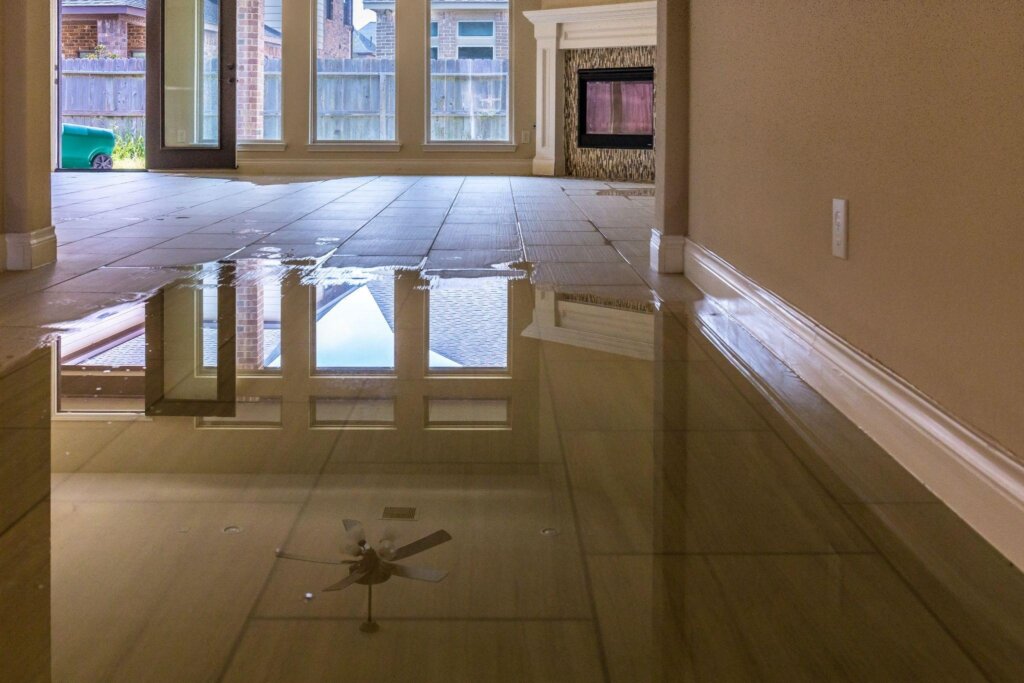
Water damage can make selling a house in Miami feel stressful. A roof leak, plumbing issue, flood event, mold concern, or hurricane-related repair can quickly affect inspections, insurance, buyer financing, permits, and closing timelines.
If you need to sell a house with water damage in Miami, FL, you still have options. You may repair the damage before listing, sell as-is with an agent, work through insurance, or sell directly to a local Miami cash home buyer.
This guide explains what Miami and South Florida homeowners should know before choosing the best path.
Quick Answer
Yes, you can sell a house with water damage in Miami, FL. Your main options are to repair the damage, list the home as-is, file or continue an insurance claim if applicable, or sell directly to a cash buyer. The best choice depends on repair cost, mold concerns, permits, buyer financing, timeline, and your financial goals.
Who This Guide Is For
This guide is for Miami homeowners who need to sell a house with water damage and are unsure what to do next. You may be dealing with a roof leak, flooding, plumbing damage, mold concerns, open permits, insurance delays, an inherited property, tenant damage, or a vacant house that has started to deteriorate.
The goal is to help you understand your options before deciding whether to repair, list the property, or sell the house as-is.
Why Water Damage Can Make Selling Harder in Miami
Miami homes face local conditions that can make water damage more serious. Heavy rain, humidity, tropical storms, hurricane exposure, older plumbing, flat roofs, aging windows, and flood-prone areas can all increase moisture risk.
Water damage may affect:
- Drywall, ceilings, and flooring
- Roof decking and attic areas
- Electrical and plumbing systems
- Cabinets, baseboards, and subflooring
- HVAC closets or utility rooms
- Mold or mildew risk
- Buyer inspections
- Insurance questions
- Permit and code compliance
- Traditional loan approval
A traditional buyer may still want the property, but water damage often creates uncertainty. Buyers may ask for credits, repairs, roof inspections, mold review, plumbing reports, insurance documents, or permit records before closing.
Common Types of Water Damage in Miami Homes
Roof Leaks
Roof leaks are common in older Miami and South Florida homes, especially after heavy rain or storm seasons. A ceiling stain may look small, but buyers may worry about roof age, attic moisture, structural damage, and mold.
Plumbing Leaks
Leaks under sinks, behind walls, near bathrooms, or under slab areas can cause hidden damage. If the leak was active for a long time, the repair may involve drywall, flooring, cabinets, and plumbing work.
Flood or Storm Damage
Some Miami-Dade and Broward County properties have flood-risk concerns. Homeowners can review official flood information through the FEMA Flood Map Service Center. Flood history, flood insurance, storm repairs, and elevation questions may affect buyer confidence and lender review.
Mold or Moisture Problems
Mold concerns matter more in humid South Florida. The Florida Department of Health mold guidance explains that indoor mold growth should be addressed, and the EPA mold cleanup guide also recommends fixing leaks and drying wet materials. Sellers should speak with qualified professionals when mold or moisture may affect safety or disclosure.
Vacant Property Damage
Vacant homes in Miami, North Miami, Hollywood, Fort Lauderdale, Miami Gardens, or Pompano Beach may develop unnoticed leaks. A small plumbing issue can become major damage when no one is living there.
Why Miami-Dade and South Florida Details Matter
Selling a damaged house in Miami is different from selling a move-in-ready home. Local records and property condition can affect the sale.
Miami-Dade County provides information about building code enforcement, including issues such as expired permits, unsafe structures, and work without permits. The City of Miami also has an Unsafe Structures Division, which may matter when a damaged property has safety concerns.
These records may matter if the house has:
- Open permits
- Expired permits
- Unpermitted work
- Unsafe structure concerns
- Code enforcement cases
- Municipal liens
- Flood-zone questions
- Property tax or title issues
For Broward-area properties, homeowners may also review Broward County Building Code Services. This can be helpful for homes in Fort Lauderdale, Hollywood, Miramar, Sunrise, Pompano Beach, and Lauderdale Lakes.
Exact requirements vary by city, county, lender, title company, insurance company, attorney, and property condition.
Do You Have to Disclose Water Damage in Florida?
Florida sellers should be careful with known property issues. Water damage, roof leaks, flooding, mold concerns, plumbing problems, and past repairs may raise disclosure questions.
This does not mean every seller must repair everything before selling. It means homeowners should avoid hiding known problems and should speak with a qualified real estate attorney, licensed agent, or title professional when unsure.
If you sell directly to an experienced cash buyer, the buyer may be more comfortable purchasing the house as-is. Still, the known condition of the property should be handled honestly.
Can a Buyer Get Financing on a Water-Damaged House?
Sometimes, but it depends on the damage and loan type. Traditional buyers using mortgage financing may face problems if the property has active leaks, unsafe electrical conditions, major roof issues, mold concerns, missing flooring, or serious structural damage.
Lenders usually want the property to meet certain condition standards. If the house needs major repairs, a buyer’s loan may be delayed, denied, or require repairs before closing.
This is one reason some Miami homeowners choose a cash buyer. A cash buyer does not rely on traditional mortgage approval, which may make closing simpler when the property needs repairs.
Can You Sell a House As-Is With Water Damage?
Yes. Selling as-is means the seller is not agreeing to make repairs before closing. However, as-is does not always remove disclosure, title, permit, lien, tenant, or legal questions.
An as-is sale may make sense when:
- You do not want to repair the property
- The repair cost is too high
- The house may not qualify for traditional financing
- The property has mold, roof, plumbing, or flood damage
- You inherited a damaged house
- The home has open permits or code issues
- The property is vacant or tenant-occupied
- You need a faster sale timeline
- You want to avoid repeated inspections and negotiations
For more related guidance, read JW Buys Doors’ page on how to sell a house fast in Miami that needs major repairs or how to sell a house with code violations in South Florida.
Best Option for Most Water-Damaged Miami Homes
For many water-damaged houses in Miami, the best option is to compare both paths: the possible retail value after repairs and the real net amount from an as-is cash offer. If repairs are expensive, the home has mold concerns, open permits, roof damage, or financing problems, selling as-is to a cash buyer may be the simpler option.
This is especially true when the seller wants to avoid repair delays, repeated inspections, insurance uncertainty, or buyer loan issues. However, if the damage is minor and you have the time and money to repair the home, listing traditionally may bring a higher sale price.
Step-by-Step Process for Selling a Water-Damaged House in Miami
Step 1: Identify the Water Source
Try to understand where the water came from. Common sources include roof leaks, broken pipes, appliance leaks, flooding, AC drain issues, sewer backups, window leaks, or storm damage.
Step 2: Document the Damage
Take photos and videos. Save repair estimates, inspection reports, insurance letters, contractor notes, permit records, and receipts if you have them.
Step 3: Check Permit, Code, or Title Issues
Water damage may connect to previous repairs. Roof, plumbing, electrical, or structural work without proper permits may delay a traditional sale. Check city or county records when possible.
Step 4: Compare Repair Cost With Sale Value
Before spending money, compare the repair cost with the likely increase in sale price. Some repairs help. Others may not return enough value if the house still has age, mold, code, or financing concerns.
Step 5: Compare Selling Options
You can repair and list, list as-is, continue an insurance claim, negotiate with an investor, or request a cash offer from a local property buyer. You can also review how the JW Buys Doors process works before deciding.
Step 6: Review the Real Net Offer
Do not only compare the top-line price. Compare repairs, commissions, closing costs, credits, inspection periods, buyer financing risk, and closing timeline.
Step 7: Close Through a Title Company
A proper sale should include title review, payoff handling, deed transfer, and closing documents. If probate, foreclosure, divorce, liens, bankruptcy, or tenant issues are involved, speak with the right professional.
Options Comparison Table
| Option | Best For | Pros | Cons |
|---|---|---|---|
| Repair before listing | Sellers with money and time | May attract more retail buyers | Repairs can be costly and delayed |
| List as-is with an agent | Sellers who can wait | More market exposure | Buyers may request credits or repairs |
| Sell to a cash buyer | Sellers wanting speed and no repairs | No repairs, fewer contingencies, flexible closing | Offer may be below full retail value |
| Continue insurance claim | Covered storm, roof, or plumbing damage | May help pay for repairs | Claims can be slow or disputed |
| Keep and rent | Owners with repair funds | Possible long-term income | Requires repairs, tenants, and management |
What JW Buys Doors Looks At Before Making an Offer
When reviewing a water-damaged house, JW Buys Doors may consider the property’s location, repair needs, roof condition, mold or moisture concerns, plumbing and electrical issues, open permits, title concerns, occupancy status, nearby comparable sales, and likely resale or renovation costs.
This helps create a fair local cash offer based on the real condition of the property, not a perfect-house estimate. Homeowners can also review the company’s FAQ page for common questions about selling directly.
Example: Inherited Water-Damaged House in North Miami
A homeowner inherits an older North Miami house. The property has a roof leak, ceiling stains, damaged flooring, and possible mold in one bedroom. The house has been vacant for months, and the owner lives outside the area.
A traditional listing may require cleaning, inspections, roof estimates, mold review, permit checks, buyer repair negotiations, and insurance questions. If the seller does not want to manage repairs from a distance, an as-is cash sale may be simpler.
The seller can request an offer from JW Buys Doors, compare it with a traditional listing estimate, and choose the option that fits their timeline and financial goals. If probate is involved, this related guide on how to sell an inherited house during probate in Miami may also help.
Common Mistakes to Avoid
Painting Over Water Stains
Covering stains without fixing the source can create bigger problems. Inspectors often notice signs of repeated moisture.
Spending on Repairs Too Quickly
Some homeowners spend thousands before learning the house still has permit, financing, mold, or roof issues.
Ignoring Open Permits
Open or expired permits can delay closing, especially in Miami-Dade County and Broward County.
Assuming the Highest Offer Is Best
A higher financed offer with inspections, repair credits, commissions, and delays may not beat a lower cash offer with fewer conditions.
Waiting Too Long
Water damage can spread in South Florida humidity. Even if you are not ready to sell, understanding your options early can help.
Quick Summary
Selling a water-damaged house in Miami is possible, but the right path depends on the damage, timeline, repair budget, permits, insurance, and buyer type. If the house needs major repairs or may not qualify for traditional financing, an as-is cash sale can be a practical option.
FAQs
Can I sell a house with water damage in Miami, FL?
Yes. You can sell through a traditional listing, as-is sale, or direct cash sale. If you do not want repairs, a local cash buyer may be practical.
Do I need to repair water damage before selling?
No. Repairs are not always required. Some buyers may ask for repairs, but cash buyers often purchase water-damaged houses as-is.
Can I sell a flooded house in Miami-Dade County?
Yes. Flood history, insurance claims, permits, and disclosure questions may affect the process, but an as-is sale may still be possible.
Will water damage lower my home value?
Usually, yes. Buyers may worry about mold, roof leaks, plumbing, flooring, electrical systems, and repair costs.
Can I sell a house with mold concerns in South Florida?
Yes, but known mold or moisture issues should be handled carefully. Speak with qualified professionals about safety, cleanup, and disclosure questions.
Is a cash buyer good for a water-damaged house?
A cash buyer can be a good option if you want to avoid repairs, showings, lender delays, and inspection negotiations.
Ready to Sell a Water-Damaged House in Miami As-Is?
If you want to sell a house with water damage in Miami, FL without making repairs, JW Buys Doors can review your property and provide a fair local cash offer with no obligation.
You do not need to fix the roof, replace damaged flooring, clean out a vacant house, or manage major repairs before reaching out. You can compare the offer with your other options, choose a closing timeline that works for you, and decide what makes the most sense for your situation.