
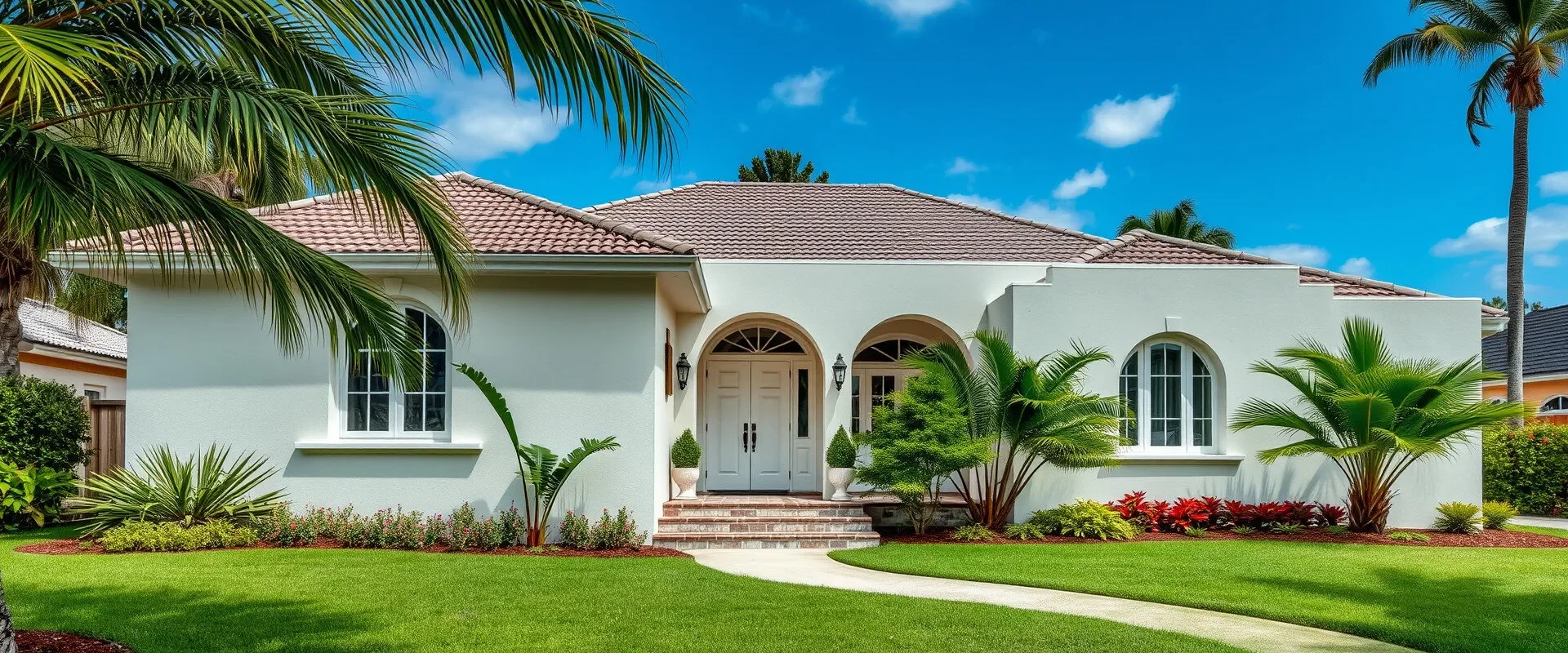
Selling a house fast in Miami, FL is possible even if the property needs major repairs. You do not always have to replace the roof, remove mold, fix water damage, repair structural issues, clean out every room, or correct every code problem before selling. The right strategy depends on the home’s condition, your timeline, your repair budget, and how much certainty you need from the sale.
A house that needs major repairs can still have strong value. The challenge is that traditional buyers often want homes that are clean, safe, insurable, and easy to finance. When a property has roof damage, water damage, mold, fire damage, foundation issues, code violations, or unpermitted work, the buyer pool becomes smaller. Buyers may ask for repairs, request credits, lower their offer, or walk away after inspection.
That does not mean you are stuck. You can repair the home before selling, list it as-is, or sell directly for cash without making repairs. This guide explains how to sell a house fast in Miami when it needs serious work, how pricing works, what repair issues affect value, and which internal guides can help you understand each situation more clearly.
Quick Answer: Can You Sell a House Fast in Miami With Major Repairs?
Yes. You can sell a house fast in Miami even if it needs major repairs. The fastest options are usually selling the house as-is, selling to a cash buyer, or pricing the property below repaired market value so buyers can account for repairs.
| Seller Question | Short Answer |
|---|---|
| Can I sell without making repairs? | Yes, many houses can be sold as-is. |
| Will major repairs lower the price? | Usually, because buyers factor in repair cost and risk. |
| Is a cash sale faster than listing? | Often, because it may avoid financing and repair delays. |
| Can I sell with roof, mold, water, or code issues? | Yes, but the right buyer and pricing strategy matter. |
| Should I repair first or sell as-is? | Compare net profit, timeline, stress, and repair risk first. |
The key is to look at the full picture. A higher sale price does not always mean more money in your pocket if you must spend months paying for repairs, holding costs, commissions, and buyer concessions.
What Counts as Major Repairs?
Major repairs are property problems that affect safety, value, financing, insurance, buyer confidence, or legal compliance. These are not small cosmetic updates like fresh paint, new fixtures, or light landscaping. Major repairs usually involve expensive systems, hidden damage, or risks that make buyers cautious.
Common examples include:
- Roof leaks or old roofing
- Water damage
- Mold growth
- Fire or smoke damage
- Foundation issues
- Structural damage
- Code violations
- Unpermitted additions or remodels
- Old electrical or plumbing systems
- Hoarder conditions
- Severe flooring, drywall, or ceiling damage
- Vacant-property neglect
- Tenant damage
In Miami, repair problems can feel more urgent because of humidity, storms, older homes, moisture issues, and insurance concerns. A small leak can turn into water damage. Water damage can lead to mold. An old roof can affect buyer confidence and insurance. That is why many sellers start by asking whether they should repair the house or sell it as-is.
Repair First or Sell As-Is?
Before choosing a selling path, compare repair cost against your real net result. Repairing first may bring a higher sale price, but it can also create delays, contractor problems, permit issues, and unexpected costs. Selling as-is may bring a lower price, but it can save time, reduce stress, and help you avoid spending money upfront.
| Option | Best For | Main Benefit | Main Risk |
|---|---|---|---|
| Repair before selling | Sellers with time and repair money | May attract more retail buyers | Cost overruns and delays |
| List as-is | Sellers who want market exposure without repairs | More buyer visibility | Inspection negotiations may still happen |
| Sell for cash | Sellers who need speed and simplicity | No major repairs before closing | Offer may be below retail value |
A good decision comes down to this question: Will the repair cost, time, and risk create enough extra profit to make the work worth it? If not, selling as-is may be the more practical choice.
If you are still comparing your full selling options, start with Sell Your House Fast in Miami, FL – A Step-by-Step Guide.
Can You Sell Your House As-Is in Miami, FL?
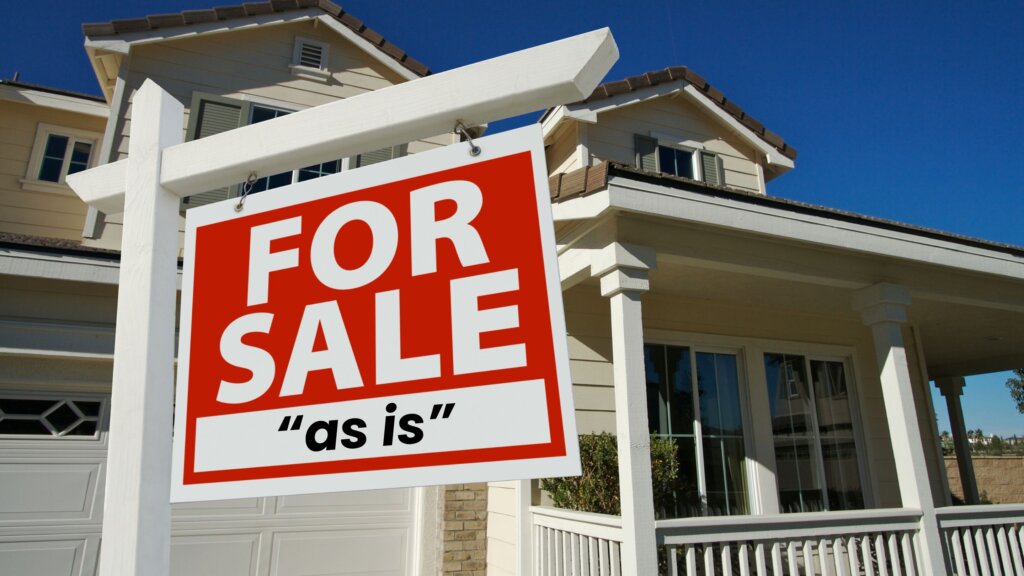
Selling as-is means you offer the house in its current condition and do not plan to make major repairs before closing. This can be helpful if the property needs expensive work or if you need to sell quickly.
As-is does not mean hiding known problems. Buyers may still inspect the home, ask questions, and adjust their offer based on condition. However, selling as-is can reduce the pressure to fix every issue before listing.
To better understand your as-is selling options, check out our guide on Can You Sell Your House As-Is in Miami, FL?
How to Sell Your Home for Cash in Miami, FL Without Repairs
Selling for cash can be one of the fastest ways to move a damaged property. A cash buyer does not rely on traditional mortgage approval, which can help reduce delays. Many cash buyers also purchase homes in as-is condition, so you may avoid repairs, open houses, staging, cleaning, and repeated showings.
The basic process usually looks like this:
- Share property details
- Let the buyer review the home’s condition
- Receive a cash offer
- Compare the offer against other options
- Complete title work
- Choose a closing date
- Close and receive payment
For more information about selling without spending money on repairs, read our guide on How to Sell Your Home for Cash in Miami, FL Without Repairs.
How to Price a House With Major Repairs in Miami, FL
Pricing is one of the most important parts of selling a damaged house. You cannot price the home like a fully renovated property, but you also do not want to accept a low offer without understanding the numbers.
A simple way to estimate value is:
As-is value = repaired market value – repair costs – risk – holding costs – selling costs
| Pricing Factor | Why It Matters |
|---|---|
| Repaired market value | Shows what similar fixed-up homes may sell for |
| Repair costs | Buyers subtract the money needed to fix the home |
| Hidden risk | Serious damage can cost more than expected |
| Holding costs | Taxes, insurance, utilities, HOA fees, and upkeep add up |
| Selling costs | Commissions, concessions, and closing expenses affect net profit |
The goal is not just to get the highest price. The goal is to compare your actual net result. A repaired sale may look better on paper, but if you spend heavily on repairs and wait months to close, your final profit may be lower than expected.
To better understand your home’s as-is value, check out our guide on How to Price a House With Major Repairs in Miami, FL.
How Much Less Do As-Is Homes Sell For in Miami, FL?
As-is homes usually sell for less than repaired homes because the buyer takes on repair work, uncertainty, and future resale risk. The discount depends on the type of problem. Cosmetic repairs may only require a smaller discount, while mold, roof damage, fire damage, code violations, or structural issues may require a much larger one.
The discount is not only about the repair bill. Buyers also think about unknown problems. If the visible repair cost looks like $30,000, the buyer may worry the true cost could become $45,000 or more once work begins.
For a deeper look at how repair issues affect sale price, read our guide on How Much Less Do As-Is Homes Sell For in Miami, FL?
How Fast Can You Sell a House As-Is in Miami, FL?
The timeline depends on the selling method. Repairing and listing can take months. Listing as-is may be faster, but buyers may still need inspections, financing, and appraisal approval. A cash sale can often move faster if title is clear and both sides agree on the closing date.
A seller who needs speed should look at more than the offer amount. The buyer’s ability to close, inspection terms, financing status, and closing timeline all matter.
To understand the selling timeline, check out our guide on How Fast Can You Sell a House As-Is in Miami, FL?
How Cash Home Buyers Work in Miami, FL
Cash home buyers usually evaluate the property based on location, condition, repair costs, resale value, and risk. They may walk through the home, review photos, check comparable sales, estimate repairs, and make an offer based on the current condition.
Before accepting a cash offer, ask:
- Is the offer written?
- Are there any fees?
- Who pays closing costs?
- Is there proof of funds?
- Can you choose the closing date?
- What happens if title issues come up?
- Is the offer no-obligation?
- Will the buyer purchase the home as-is?
For more information about the direct cash-sale process, read our guide on How Cash Home Buyers Work in South Florida.
Pros and Cons of Selling a House As-Is in Miami, FL
Selling as-is can save time, repair money, and stress. It can also reduce the need for contractors, showings, and long preparation. The downside is that as-is homes usually sell for less than fully repaired homes.
This option works best when speed, certainty, or convenience matters more than trying to get top retail price. It may not be the best fit if the repairs are minor and you have time to list traditionally.
To compare the benefits and drawbacks before deciding, check out our guide on Pros and Cons of Selling a House As-Is in Miami, FL.
Sell a House with Roof Damage in Miami, FL
Roof damage is one of the biggest concerns for buyers. An old or leaking roof can affect insurance, financing, interior condition, and buyer confidence. Replacing a roof before selling can be expensive, especially if other repairs are also needed.
If the roof is leaking, storm-damaged, or near the end of its life, compare the cost of replacement with the value of selling as-is.
If your property has roofing problems, learn more in our guide on Sell a House with Roof Damage in Miami, FL.
Sell a House with Water Damage in Miami, FL
Water damage can raise concerns about flooding, hidden moisture, and future repair costs, especially in South Florida. Homeowners can check official flood hazard information through the FEMA Flood Map Service Center to better understand how flood zones may affect buyer confidence, insurance questions, and property value.
In Miami, water damage can become more concerning because moisture may lead to mold if it is not handled properly. A small leak can turn into damaged drywall, soft flooring, stained ceilings, and costly remediation work. For some sellers, selling as-is may be easier than opening walls, replacing flooring, or completing large repairs before listing.
If leaks or moisture have damaged the property, check out our guide on Sell a House with Water Damage in Miami, FL.
Sell a House with Mold Problems in Miami, FL
Mold can make buyers nervous because it may affect air quality, health concerns, inspections, and remediation costs. The EPA’s guide on mold, moisture, and cleanup basics explains why moisture control matters and why mold concerns should be handled carefully. Some sellers pay for mold testing and removal before listing. Others prefer to sell as-is and let the buyer handle remediation after closing.
If the mold problem is connected to roof leaks, plumbing issues, or hidden moisture, repairs may become more complicated. In Miami’s humid climate, even a small moisture problem can raise questions about hidden damage, drywall, flooring, and indoor air quality.
For more information about selling a property with mold concerns, read our guide on Sell a House with Mold Problems in Miami, FL.
Sell a Fire-Damaged House in Miami, FL
Fire damage can involve burned framing, damaged wiring, smoke odor, roof damage, wall damage, and major restoration work. Even if the fire was contained, buyers may worry about safety and hidden damage.
A fire-damaged property may not appeal to regular retail buyers, but it may still attract buyers who understand renovation projects.
If the property has smoke or fire damage, learn more in our guide on Sell a Fire-Damaged House in Miami, FL.
Sell a House with Foundation Problems in Miami, FL
Foundation problems can be expensive and difficult to estimate. Signs may include cracks, uneven floors, sticking doors, settlement, or visible movement. Traditional buyers may hesitate because foundation work can involve engineers, permits, and major repair costs.
If foundation problems are known, pricing should account for both repair cost and buyer risk.
To better understand your options with foundation issues, check out our guide on Sell a House with Foundation Problems in Miami, FL.
Sell a House with Structural Damage in Miami, FL
Structural damage may affect framing, support beams, floors, walls, roof support, or load-bearing areas. This is different from cosmetic damage because it may affect the safety and stability of the home.
Buyers may request inspections or estimates before moving forward. If the damage is serious, selling as-is may be more realistic than trying to attract a traditional buyer.
For more information about serious building damage, read our guide on Sell a House with Structural Damage in South Florida.
Sell a House with Code Violations in Miami, FL

Code violations can complicate a sale because they may involve fines, required repairs, safety problems, or city compliance issues. Some buyers may avoid homes with open violations, while others may be more comfortable taking on the issue after closing.
If you have notices, fines, or violation documents, keep them organized before speaking with buyers.
If the property has open violations or compliance issues, check out our guide on Sell a House with Code Violations in Miami, FL.
Sell a House with Unpermitted Work in Miami, FL
Unpermitted work may include additions, garage conversions, electrical changes, plumbing work, or remodels completed without proper approval. This can create problems during inspections, appraisals, insurance review, or future resale.
Trying to correct unpermitted work before selling can be expensive and slow. Some sellers choose to disclose what they know and sell as-is.
To understand how permit problems can affect a sale, read our guide on Sell a House with Unpermitted Work in Miami, FL.
Sell a Hoarder House in Miami, FL
A hoarder house can be difficult to prepare for sale. It may require cleanout, junk removal, pest control, odor removal, repairs, and deep cleaning. This can feel overwhelming, especially for heirs, out-of-state owners, or families dealing with a stressful situation.
Selling as-is may help avoid the burden of clearing and repairing the property before closing.
If the home needs major cleanout before selling, learn more in our guide on Sell a Hoarder House in Miami, FL.
Sell a House As-Is During Foreclosure in Miami, FL
Foreclosure adds urgency. If you are behind on payments, spending months on repairs may not be realistic. A fast as-is sale may help reduce delay, but timing, payoff amounts, and legal deadlines must be handled carefully.
The sooner you compare options, the more choices you may have.
If you are behind on payments or facing foreclosure, check out our guide on Sell a House As-Is During Foreclosure in Miami, FL.
Sell an Inherited House As-Is in Miami, FL
Inherited homes often need repairs, cleaning, updates, or coordination between heirs. Some inherited properties have been vacant for months or years. Others may have old roofs, outdated systems, clutter, or probate-related delays.
Selling as-is can help heirs avoid spending money on a property they do not plan to keep.
For inherited property situations, read our guide on Sell an Inherited House As-Is in Miami, FL.
Sell a Rental Property As-Is in Miami, FL
Rental properties may have tenant damage, deferred maintenance, outdated systems, lease issues, or landlord fatigue. If a rental needs major repairs, the owner must decide whether to renovate, keep renting, list traditionally, or sell as-is.
An as-is sale may make sense when repairs are expensive or managing the property is no longer worth the stress.
If you own a rental with damage, tenants, or deferred maintenance, check out our guide on Sell a Rental Property As-Is in Miami, FL.
Sell a Vacant House in Miami, FL
Vacant homes can become expensive to hold. Leaks, pests, vandalism, lawn issues, insurance concerns, and code problems can grow when no one is living in the property. A small issue can become a major repair if left unnoticed.
A fast sale may help reduce holding costs and prevent the property from getting worse.
If the property is empty and becoming harder to maintain, learn more in our guide on Sell a Vacant House in Miami, FL.
Sell a House As-Is During Divorce in Miami, FL
Divorce can make repairs harder because both parties may need to agree on spending, pricing, timing, and closing decisions. If the house needs major repairs, arguments over who pays and what gets fixed can slow everything down.
Selling as-is may help create a cleaner path forward when both sides want to resolve the property issue.
If divorce is making repair decisions or selling timelines more difficult, read our guide on Sell a House As-Is During Divorce in Miami, FL.
Common Mistakes to Avoid When Selling a House That Needs Repairs
One of the biggest mistakes is pricing the house like it is already renovated. Repaired homes are useful for comparison, but your current condition matters. Buyers will look at repair cost, time, and risk before making an offer.
Another mistake is starting expensive repairs without checking whether they will actually increase your net profit. A $40,000 repair does not always add $40,000 in value. You also have to consider contractor delays, permits, inspections, material costs, and the chance that more damage appears during the work.
Avoid these mistakes:
- Spending heavily before comparing as-is offers
- Ignoring holding costs
- Hiding known problems
- Accepting the highest offer without checking buyer certainty
- Waiting too long while damage gets worse
- Forgetting about permits, liens, code issues, or title concerns
- Assuming every buyer can get financing for a damaged property
A smart sale starts with honest numbers, realistic timing, and a clear understanding of your options.
When Selling As-Is May Be the Best Choice
Selling as-is may be the best choice when the house needs expensive repairs and you do not want to spend more money before selling. It can also make sense when you need speed, privacy, fewer showings, or a simpler process.
It may be a good fit if:
- You cannot afford repairs
- You need to sell quickly
- The house has roof, water, mold, fire, or structural damage
- The property has code violations or unpermitted work
- The home is inherited, vacant, or tenant-occupied
- You are facing foreclosure or divorce
- You live out of state
- You do not want to manage contractors
- You want fewer delays and fewer buyer demands
Selling as-is is not always the highest-price option, but it may be the most practical option when time, certainty, and convenience matter.
FAQs
Q. Can I sell a house fast in Miami, FL if it needs major repairs?
Yes, you can sell a house fast in Miami, FL even if it needs major repairs. Many sellers choose an as-is sale or cash sale to avoid fixing roof damage, mold, water damage, or structural issues before closing.
Q. Do I need to repair my house before selling it in Miami?
No, you do not always need to repair your house before selling it in Miami. If you sell as-is, the buyer understands that the property is being sold in its current condition.
Q. What is the fastest way to sell a damaged house in Miami?
The fastest way to sell a damaged house in Miami is often an as-is cash sale. This can help avoid repair delays, open houses, buyer financing issues, and long inspection negotiations.
Q. How do I price a house in Miami that needs major repairs?
Start with the home’s repaired market value, then subtract repair costs, buyer risk, holding costs, and selling expenses. A damaged house should not be priced the same as a fully updated home.
Q. Can I sell a house with roof damage, mold, or water damage in Miami, FL?
Yes, houses with roof damage, mold, or water damage can still be sold in Miami, FL. These problems may reduce the buyer pool, but an as-is sale can help you avoid paying for major repairs upfront.
Q. Is it better to repair my house or sell it as-is?
Repairing may be better if the work is affordable and will increase your net profit. Selling as-is may be better if repairs are expensive, time is limited, or you want to avoid contractors, delays, and upfront costs.
Final Thoughts
Selling a house fast in Miami, FL is possible even when the property needs major repairs. The best choice depends on your timeline, repair budget, property condition, and financial goals. Some homeowners may choose to repair first and list traditionally, while others may decide that selling as-is is the simpler and more practical path.
Before making a decision, compare your real net result. Look at repair costs, commissions, closing costs, buyer concessions, holding costs, timeline, and risk. A higher sale price may not always be better if it requires months of work and thousands of dollars in repairs.
If your house needs roof repairs, water damage cleanup, mold removal, code corrections, structural work, or other expensive fixes, JW Buys Doors can help you explore a faster as-is selling option. A damaged house still has value. The key is choosing the selling path that fits your situation and helps you move forward with confidence.