
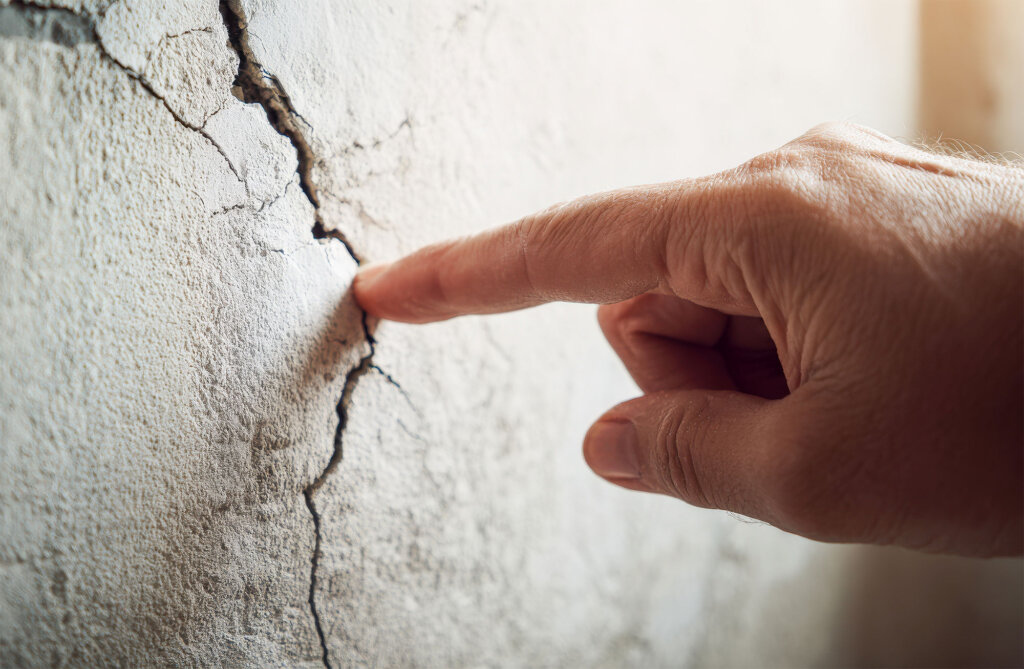
Selling a house with structural damage in South Florida can feel stressful, especially if repairs are expensive, insurance is complicated, or the property has open permits, code violations, or title concerns. Whether the house is in Miami, Fort Lauderdale, Hollywood, Miami Gardens, North Miami, Miramar, Pompano Beach, Sunrise, Lauderdale Lakes, or another nearby Florida community, you may still have several ways to sell.
JW Buys Doors helps South Florida homeowners understand their as-is selling options when a property needs major repairs. Before choosing a cash offer, repair plan, or traditional listing, it is important to understand what structural damage can affect, what buyers may look for, and what could delay closing.
Quick Answer: Can You Sell a House with Structural Damage in South Florida?
Yes, you can sell a house with structural damage in South Florida. Your main options are repairing the damage before selling, listing the home as-is, selling directly to a local cash home buyer, or holding the property and repairing it over time. Many homeowners choose an as-is sale when repairs are too expensive, financing may be difficult, or they want to avoid contractor delays.
What Counts as Structural Damage?
Structural damage usually affects the parts of the home that support, protect, or stabilize the property. This can include the foundation, load-bearing walls, roof framing, beams, columns, floor joists, exterior walls, or other major support systems.
In South Florida, structural damage may come from:
- Hurricane or storm damage
- Roof leaks that damage framing
- Foundation settlement
- Water intrusion or flooding
- Termite or wood rot damage
- Fire damage
- Unpermitted additions
- Long-term vacancy or neglect
- Cracked walls, sagging floors, or shifting structures
Some damage is mostly cosmetic. Other damage can affect safety, insurance, inspections, buyer financing, and the final selling price. If the issue is connected to roof leaks, water intrusion, or major repairs, you may also want to review related guidance on selling a roof-damaged house in Miami or a house with water damage in Miami.
Why Structural Damage Makes a South Florida Sale More Complicated
A house with structural problems can still have value, but the sale may not move like a normal retail transaction. Traditional buyers often rely on inspections, financing, appraisals, and insurance approval. If the damage is serious, the lender or insurance provider may raise concerns.
A structurally damaged house may also involve:
- Open or expired permits
- Unsafe structure notices
- Code enforcement issues
- Municipal liens
- Unpermitted repairs or additions
- Unpaid property taxes
- Title concerns
- Insurance claim questions
- Repair estimates that change after inspection
For Miami-Dade properties, homeowners can review official information from Miami-Dade County Unsafe Structures if a property has been flagged as unsafe or may pose a hazard. The City of Miami also explains that its Unsafe Structures Division handles unsafe buildings, work without active permits, demolitions, and related enforcement activity.
Local South Florida Context Homeowners Should Know
South Florida properties can have different records and requirements depending on the city, county, and municipality. A damaged house in Miami-Dade County may involve different record searches than a property in Broward County.
Before accepting any offer, homeowners may need to check:
- Property ownership records
- Property tax status
- Open permits
- Code enforcement cases
- Unsafe structure notices
- Recorded liens
- Mortgage payoff details
- Probate or inherited-property documents
- Tenant or occupancy issues
For Miami-Dade properties, the Miami-Dade Property Appraiser can help homeowners review property information, while the Miami-Dade Clerk Official Records can be useful for recorded documents such as deeds, mortgages, liens, and related public records.
For Broward County properties, homeowners can use the Broward County Property Appraiser to search property records. If the property is in Fort Lauderdale, the city’s LauderBuild system may help with permit and building-related information.
Your Main Options for Selling a Structurally Damaged House
Option 1: Repair the Damage Before Selling
Repairing before selling may help attract more traditional buyers and may support a higher listing price. However, this option can be expensive and slow.
This may make sense if:
- You have enough equity
- You can afford the repairs
- You are not under foreclosure pressure
- You have time for permits and inspections
- The home is in a strong retail market
- The repair scope is clear and manageable
The downside is that structural repairs can uncover more problems. A foundation issue may reveal plumbing problems. A roof framing issue may lead to water damage. Unpermitted work may create code or permit complications.
Option 2: List the House As-Is With a Real Estate Agent
You can list a structurally damaged house as-is, but the buyer pool may be smaller. Many retail buyers prefer homes that are move-in ready or easy to finance. If an inspection reveals major problems, the buyer may ask for a price reduction, repair credit, or cancel the contract.
This option may work if:
- The damage is not severe
- The home is in a desirable location
- You are willing to allow showings
- You can wait for the right buyer
- You are comfortable with inspections and negotiations
If you are trying to sell a house fast in Miami that needs major repairs, listing may still be possible, but you should compare the likely net proceeds after repairs, commissions, credits, and holding costs.
Option 3: Sell Directly to a Local Cash Home Buyer
Selling as-is to a local property buyer may be the simplest option if the home has serious structural damage, open permits, water damage, unsafe structure concerns, or may not qualify for traditional financing.
A South Florida cash buyer may review the property in its current condition, make an offer based on the needed repairs, and close through a title company without requiring you to fix the damage first.
This option may fit homeowners who want to:
- Sell without repairs
- Avoid open houses
- Avoid realtor commissions
- Skip contractor delays
- Sell a vacant or inherited house
- Sell a damaged rental property
- Close on a flexible timeline
To understand how a direct cash sale works, you can review the JW Buys Doors home buying process.
Option 4: Keep the Property and Repair Over Time
If you are not under pressure, keeping the home and repairing it over time may be an option. This may work for landlords, inherited-property owners, or homeowners who believe the future value will justify the repair investment.
However, this can become risky if mortgage payments, property taxes, insurance issues, code fines, utilities, and vacancy problems continue to grow.
Step-by-Step Process to Sell a House with Structural Damage
Step 1: Identify the Type of Damage
Start by understanding whether the issue is cosmetic, mechanical, structural, or safety-related. Cracked paint is different from foundation movement. A small ceiling stain is different from damaged roof framing.
For serious concerns, consider speaking with a licensed contractor, structural engineer, inspector, or other qualified professional.
Step 2: Gather Important Property Documents
Before selling, collect:
- Deed or ownership documents
- Mortgage payoff details
- Property tax information
- Insurance claim documents
- Contractor estimates
- Inspection reports
- Permit records
- Code notices
- Unsafe structure notices
- HOA notices, if applicable
If the house is inherited, in probate, involved in divorce, facing foreclosure, or tied to a legal dispute, speak with a qualified attorney or title professional before signing an agreement.
Step 3: Check for Open Permits, Liens, or Code Violations
Structural damage often becomes more complicated when there are open permits, expired permits, work without permits, or municipal liens. Miami-Dade County’s Building Code Enforcement page explains that enforcement can involve unsafe structures, expired permits, and work without permits.
These issues do not always prevent a sale, but they can delay closing or affect how an offer is structured. If the property has code problems, review your options for selling a house with repair or violation issues before making expensive changes.
Step 4: Estimate the Real Cost of Repairs
A repair estimate is only part of the picture. Homeowners should also consider:
- Permit costs
- Engineering reports
- Cleanup costs
- Insurance deductibles
- Temporary housing
- Utility bills
- Property taxes
- Mortgage payments
- Contractor delays
- Possible buyer credits after inspection
A repair that looks affordable at first may become more expensive once walls, flooring, roofing, or electrical systems are opened up.
Step 5: Compare Your Net Proceeds
The highest sale price is not always the best financial outcome. Compare what you may keep after:
- Repairs
- Agent commissions
- Closing costs
- Buyer credits
- Holding costs
- Taxes
- Insurance
- Permit corrections
- Time delays
This is where an as-is cash offer can be useful as a comparison point, even if you are still considering a traditional listing.
Step 6: Review the Offer in Writing
Before accepting any offer, make sure you understand:
- Purchase price
- Closing date
- Inspection period
- Financing requirements
- Repair requirements
- Closing costs
- Who handles title issues
- What happens with permits or liens
- Whether the buyer can cancel
Avoid relying on verbal promises. A written offer helps you compare your options more clearly.
Step 7: Close Through a Title Company
A title company can help review ownership, recorded liens, taxes, payoff information, and closing requirements. If legal, tax, insurance, probate, foreclosure, divorce, bankruptcy, or tenant issues are involved, speak with the appropriate professional before making a final decision.
Options Comparison Table
| Selling Option | Best For | Main Benefit | Main Limitation |
|---|---|---|---|
| Repair before selling | Owners with time, equity, and repair funds | May attract more retail buyers | Repairs can be costly and slow |
| List as-is with an agent | Sellers who want public market exposure | Can attract retail and investor buyers | Financing and inspection issues may delay closing |
| Sell to a cash buyer | Owners who want no repairs and fewer delays | Simpler as-is sale process | Offer may be lower than fully repaired retail value |
| Keep and repair later | Owners not under pressure | More time to improve the property | Holding costs and code risks may grow |
Best Option If You Want the Simplest Sale
If the property has major structural damage and you do not want to manage contractors, permits, inspections, showings, or repair negotiations, selling as-is to a local cash home buyer may be the simplest option.
This does not mean it is automatically the best option for every homeowner. If you have time, money, and enough equity, repairing first or listing as-is may still be worth comparing. But if the house is vacant, inherited, damaged, behind on payments, or difficult to finance, a direct sale may help reduce stress and uncertainty.
Before You Accept Any Offer on a Structurally Damaged House
Before signing an agreement, review this checklist:
- What structural issues are known?
- Are there roof, foundation, framing, or wall problems?
- Are there open or expired permits?
- Are there code violations or unsafe structure notices?
- Are there municipal liens?
- Is the property tax balance current?
- What is the mortgage payoff amount?
- Are there insurance claim issues?
- Is the property vacant, occupied, or tenant-occupied?
- Does the buyer require repairs before closing?
- Does the buyer need lender approval?
- Who pays closing costs?
- Is the offer in writing?
- Will a title company handle the closing?
This helps you avoid surprises and compare a cash offer, agent listing, and repair-first strategy more clearly.
A Realistic South Florida Example: Selling a Structurally Damaged House
Imagine a homeowner in Hollywood inherits a single-family house with roof framing damage, interior water stains, and an expired permit from older repair work. The property may still have strong value because of its South Florida location, but traditional buyers may worry about inspections, insurance, financing, and repair costs.
The homeowner may compare three choices: repair the property before listing, list the house as-is and wait for an investor or renovation buyer, or request a direct cash offer from a local property buyer. The best choice depends on repair costs, title status, inherited-property paperwork, tax balance, and how quickly the owner wants to move on.
If the property is in Fort Lauderdale, North Miami, or North Miami Beach, reviewing local selling options may also help. JW Buys Doors has local pages for homeowners who need to sell a house in Fort Lauderdale, sell a house fast in North Miami, or sell a house fast in North Miami Beach.
Common Mistakes to Avoid
Hiding Known Structural Problems
Trying to hide major damage can create serious problems later. Be honest about known issues and ask a qualified professional about disclosure requirements.
Assuming You Must Repair Before Selling
You do not always need to repair the property before selling. Some buyers purchase houses as-is, including homes with structural damage, roof damage, water damage, code issues, or open permits.
Ignoring Permit or Code Records
Open permits, expired permits, unsafe structure notices, and municipal liens can affect closing. Check records early so you understand what may come up during title review.
Only Comparing the Sale Price
A higher sale price may not mean a better result if it requires months of repairs, showings, commissions, credits, and holding costs. Compare your likely net outcome, not only the headline price.
Waiting Too Long During Foreclosure Pressure
If you are behind on payments or facing foreclosure, timelines may vary by lender, court, county, attorney, and case status. The Eleventh Judicial Circuit provides general information about the mortgage foreclosure process in Miami-Dade County, but homeowners should speak with a qualified foreclosure attorney, lender, or housing counselor for advice about their specific situation.
FAQs
Q. Can I sell a house with structural damage in South Florida?
Yes. You may be able to sell a structurally damaged house in South Florida by repairing first, listing as-is, or selling directly to a cash buyer. The best option depends on repair costs, liens, permits, title issues, and your timeline.
Q. Do I have to fix foundation or framing problems before selling?
Not always. Some buyers may require repairs, especially if they need financing. However, a local cash buyer may be willing to purchase the property as-is and factor the needed repairs into the offer.
Q. Will a bank finance a house with structural damage?
It depends on the lender, loan type, insurance requirements, appraisal, and severity of the damage. Major structural problems can make traditional financing harder for retail buyers.
Q. Can I sell a house with open permits or code violations?
Yes, but open permits, expired permits, code violations, or municipal liens can complicate the sale. These issues may need to be reviewed by the city, county, title company, buyer, or attorney.
Q. Is selling as-is better than repairing first?
Selling as-is may be better if repairs are too expensive, the home is difficult to finance, or you want a simpler sale. Repairing first may be better if you have enough time, money, and equity.
Q. Does JW Buys Doors buy damaged houses in South Florida?
Yes. JW Buys Doors reviews as-is properties in South Florida, including houses with structural damage, roof issues, water damage, open permits, code concerns, inherited-property issues, or major repair needs.
Want to Sell a House with Structural Damage in South Florida?
If selling as-is without structural repairs, contractor delays, open house showings, or agent commissions seems to fit your situation, JW Buys Doors can review your South Florida property and provide a fair local cash offer for you to compare with repairing or listing the home.
You can learn more about the company on the Our Company page, review common questions on the FAQ page, or contact JW Buys Doors when you are ready to discuss your property.
This article is for general homeowner education only. It is not legal, tax, insurance, construction, or financial advice. For questions involving foreclosure, probate, title issues, code violations, liens, tenants, bankruptcy, insurance claims, or structural safety, speak with a qualified attorney, tax professional, insurance professional, title company, contractor, engineer, housing counselor, lender, or local official.